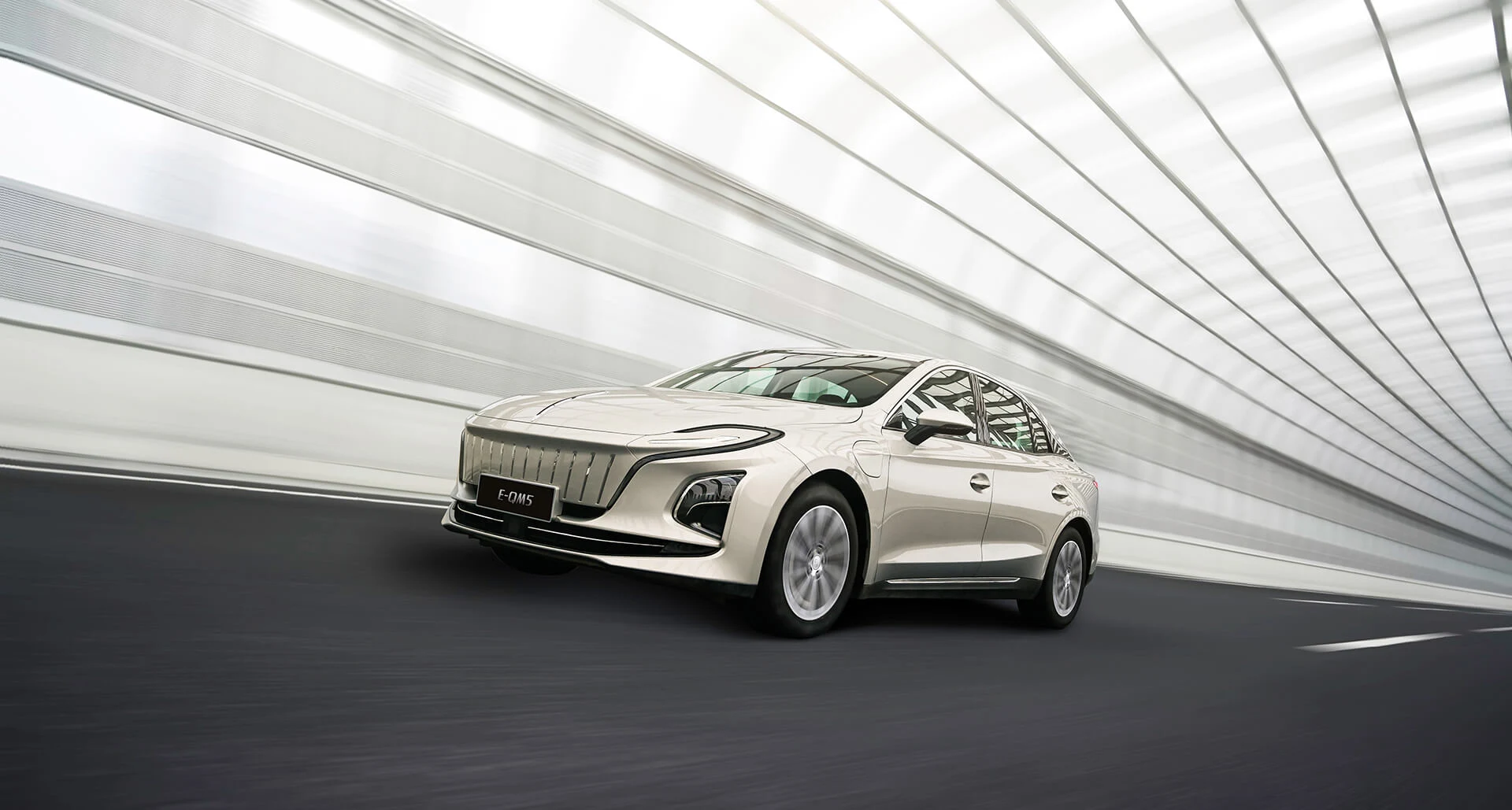
Identify which Model 3 is in the offer
Obtain production, original market, trim and installed-system records. Keep an older car separate from current model advertising. Tesla publishes charging documentation within a stated Model 3 service-manual context; that reference is not a universal equipment sheet for every imported used Model 3. The Hongqi identity checklist supplies the corresponding E-QM5 record. Ask for evidence of relevant changes or replacements on each. A seller’s shorthand such as long range or standard should not fill missing drive, battery or charging information. The two purchase descriptions must be complete before numerical comparisons are useful.
Trial the driving and passenger tasks
Set a normal driving position and inspect the required controls, visibility, rear access and passenger comfort. A customer may prefer one operating arrangement without every buyer sharing that preference. Add the actual luggage and parking task. The E-QM5 parking trial makes that constraint concrete; test the Tesla at the same location or with the same defined measurements. Do not assign a preference from a product photo. For dealer resale, record which group of customers the demonstrated cabin suits and avoid selling a feature as universally more convenient when it has not been tried.
| Finding | Buying response |
|---|---|
| Destination charging verified | Include its practical value |
| Access remains with the seller | Resolve transfer before acceptance |
| Condition gap dominates savings | Investigate instead of choosing by badge |
Verify network and hardware together
Identify the actual ports and supported charging equipment on each car, then ask about the destination stations the buyer intends to use. Tesla documentation is model- and region-specific, so a network’s visibility on a map is not sufficient evidence for an imported unit. Keep access arrangements and hardware compatibility distinguishable. Use the Hongqi compatibility review for its side and obtain the applicable Tesla answer separately. Do not value a presumed charging advantage before verifying eligibility and the ordinary journey. Include inconvenient stops or unconfirmed setup in the comparison rather than describing both cars as equally ready.
Separate physical keys from connected access
Establish supplied access items, any existing associations and the legitimate receiving-user process for the Model 3. Ask which provider supports the applicable market arrangement. For Hongqi, keep supplied items with the access-item and handover record, assessing any connected-service permissions separately. Keep private credentials controlled by the appropriate user. A seller-controlled working app cannot establish permanent access for the next owner. Cabin tasks and remote services should be demonstrated separately where relevant. Do not assume factory-resetting a display resolves every provider-side association or permits every destination feature. An unresolved essential function changes acceptance, not just the attractive equipment list.
Use equal current condition and repair scope
Commission appropriate qualified assessment for each model. Preserve battery, structural, charging and suspension findings with their methods and limits. Do not reuse the same diagnostic procedure simply because both cars are electric. Compare available repair history and preparation proposals, including what a provider says still needs assessment. The battery finding valuation explains how a supported issue affects the Hongqi purchase without prescribing Tesla repair. If one offer has much weaker evidence, the gap should remain visible. A brand-wide reliability statement cannot certify either used candidate or price an unexplained present warning.
Compare what the price actually buys
Use the dealer quotation worksheet to align currency, vehicle condition, inspection, included equipment and delivery stage. Ask whether the Tesla amount assumes completed access steps or support that remains unconfirmed. Identify necessary preparation on the Hongqi too. Use dated actual proposals, keeping an unknown repair or registration cost distinct from zero. A credible ownership worksheet can compare local energy, routine support and realistic operating cases without inventing resale values. New-car advertising and the acquisition cost of the older used unit are different numbers. The buyer needs the latter and its known scope before judging a cheaper route.
Select an acceptable complete ownership route
Choose the candidate whose demonstrated cabin, charging, access and support meet essential customer requirements at a defensible complete cost. A tested Model 3 advantage can justify a premium; an E-QM5 can remain preferable where its usable arrangement and reserve are stronger. Investigate missing evidence or select another car when a critical requirement remains unresolved. Keep final acceptance attached to the identified unit. Hongqi imagery here is a representative model photograph, not the compared Tesla or stock evidence. The decision should remain understandable when presented without a brand badge or promotional performance headline.
Keep the decision clear.
- Tesla year and original market
- Matched cabin and parking trial
- Actual station eligibility
- Legitimate receiving-user access
- Model-specific inspection and equal cost
Before you decide.
Can a current Model 3 brochure describe an older imported car?
Not without matching production, market and actual equipment.
Does a working seller app prove buyer access after delivery?
No. Confirm the permitted transfer process and receiving-user result.