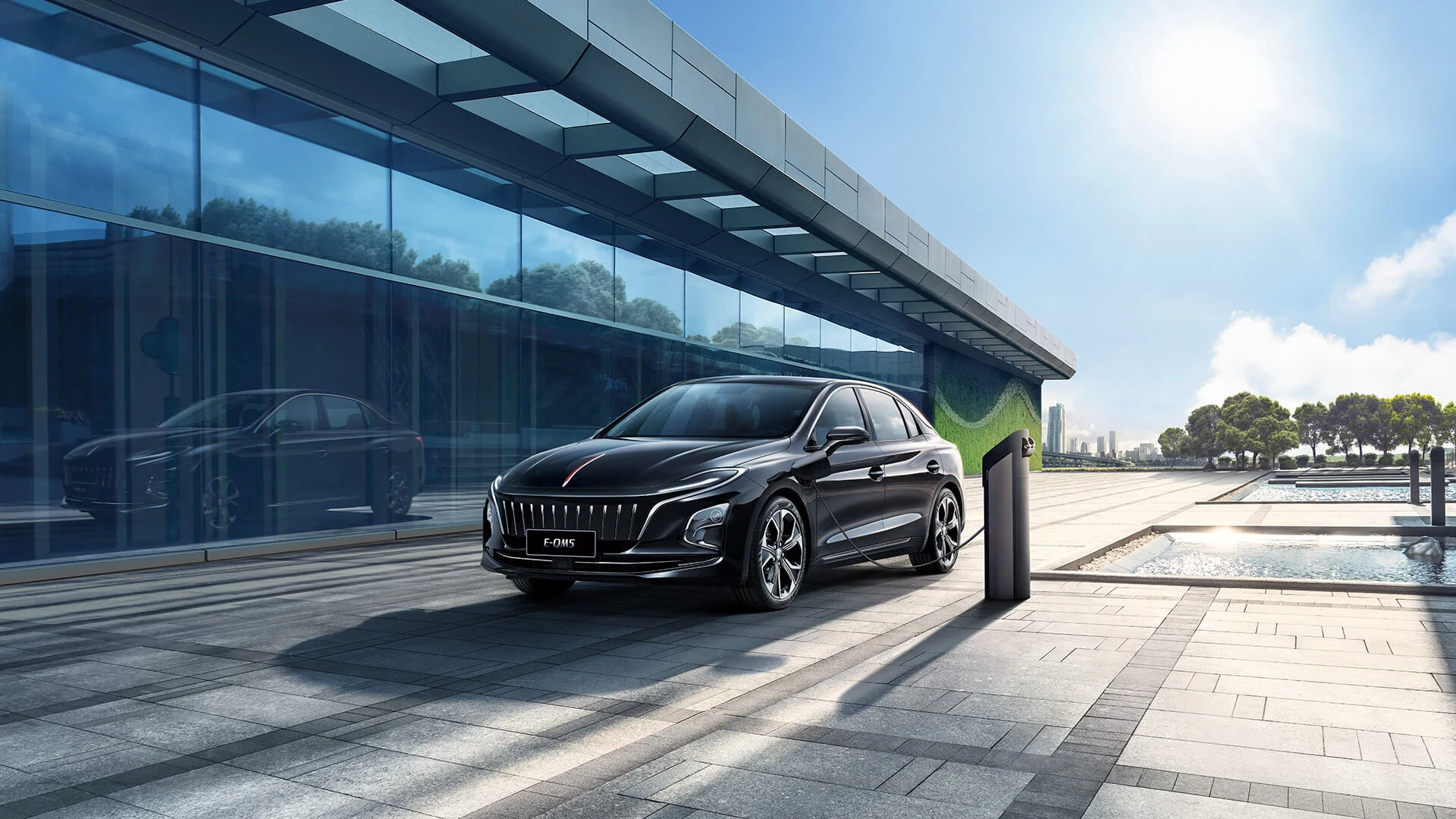
Describe the space and its approach
Record bay boundaries, fixed obstacles, access route and any height constraint. Note which area is available for manoeuvring rather than measuring only the final rectangle. Ask the customer how the location is used when adjacent spaces are occupied. A car may fit when the bay is empty but become impractical in its ordinary surroundings. The vehicle specification record provides relevant reference dimensions for the identified version. Verify actual fitted equipment and measurement scope. A single external length cannot establish every turning or loading task, and a promotional angle cannot supply an accurate space assessment.
Include mirrors and fitted equipment
Use the actual delivered arrangement, including mirrors and accessories that affect the task. Clarify what a measurement includes rather than silently adding or removing an assumed margin. Do not calculate from a similar car carrying different equipment. If a seller proposes a change to make the car fit, obtain a supported explanation and preserve the accepted configuration. The original-versus-modified decision keeps that proposal separate from factory identity. An undocumented change should not be treated as a guaranteed parking solution, particularly where the customer’s essential route has not been trialled with it in place.
| Finding | Buying response |
|---|---|
| All ordinary tasks demonstrated | Keep the equipment and fit record |
| Access works only in unusual conditions | Evaluate the daily compromise |
| Critical entry or exit remains unknown | Trial it or choose another route |
Test the normal manoeuvre safely
Where permitted, have an appropriate driver try the actual approach and departure under normal safe conditions. Keep the trial clear of people and obstacles, and stop rather than forcing an uncertain manoeuvre. Record the conditions that determine its relevance, including neighbouring occupancy where practicable. A seller demonstrating a wide open area has not established the customer’s constrained route. Do not invent a universal bay width or turning allowance that makes every E-QM5 suitable. The useful observation is whether the identified car can complete the ordinary task in the actual arrangement without relying on an unrealistic demonstration.
Assess the doors people need to use
Check the driving door and the required passenger doors in their normal parked positions. Consider loading a child restraint, helping a passenger or retrieving a work bag. A body that fits between painted lines can still leave insufficient useful access for the intended user. The family restraint trial is a separate relevant task. Include who normally enters before or after parking so the assessment describes the customer’s routine honestly. Do not call a space suitable merely because one slim driver can squeeze out during a brief video; personal access needs can differ materially.
Keep luggage access in the test
Load the representative items the customer uses regularly and observe access to the boot in the intended parking position. Opening clearance and usable bag handling are different from interior cargo volume. The luggage fit guide addresses the load itself. Keep both observations with the buying record where deliveries, airport trips or family use depend on them. If the customer must move the car elsewhere to load, describe that step and decide whether it is acceptable. A route can remain viable with an explicit workaround, but the workaround should not be hidden in a broad claim of easy parking.
Separate ramps from the static bay
Where access includes a slope or abrupt transition, use the road and ramp assessment for the applicable loaded configuration. The static parking task does not establish underside clearance or safe passage over every obstacle. Record tyre and suspension identity and refer concerns to an appropriate provider. A camera view can improve observation but cannot certify physical clearance. If the only available trial omits a critical transition, leave it unresolved. A customer’s essential garage approach deserves more than an attractive nominal ground-clearance figure from a measurement taken under different conditions.
Choose a vehicle that fits the everyday task
Compare an acceptable alternative using the same actual access requirements and condition boundary. A more compact car may solve an everyday constraint; an E-QM5 may be suitable where its useful cabin and normal parking route have been demonstrated. Keep the fit result tied to the delivered equipment and reassess after substitution or relevant changes. The complete purchase comparison helps include a locally available alternative. The final decision should state which tasks were tried and what limitation remains rather than declaring that the model fits all city parking or that technology removes every space compromise.
Keep the decision clear.
- Approach and occupied surroundings
- Delivered mirrors and equipment
- Permitted manoeuvre trial
- Driver and passenger door access
- Boot and ramp tasks recorded
Before you decide.
Is body width enough to approve a parking bay?
No. Include approach, mirrors, useful door access and the normal loading task.
Can a camera package compensate for insufficient clearance?
It can assist observation but cannot create physical space.