Keep EV and DM-i identity distinct
The BYD Jordan EV catalogue identifies named Qin PLUS EV configurations; its publication and regional scope do not establish every China-market offer. A DM-i reference answers a different powertrain question. Retain the original designation, production record and battery identity for the Qin candidate. For Hongqi, use the E-QM5 version guide. Ask for correction where an advert mixes an EV title with hybrid specifications. Numerical comparisons should wait until both cars are identified; a cheaper hybrid quotation cannot serve as the purchase price for a pure-electric alternative just because the name includes Qin PLUS.
Try the actual passenger arrangement
Set the driving seat for the intended user, then assess the rear occupants, access and regular luggage. Do not declare the winner from exterior length or a rear-seat publicity image. A larger body can offer useful space while imposing a daily parking compromise. Use the E-QM5 luggage fit guide for its loading task and repeat the equivalent check in the Qin. Record the actual seat count, fitted restraint arrangement and required comfort functions. For dealer stock, identify the customer requirement that makes one cabin more useful rather than promising a universal preference for either model.
| Finding | Buying response |
|---|---|
| Passenger fit decides | Repeat the occupied-cabin trial |
| Charging differs materially | Price the verified equipment path |
| Evidence is unequal | Obtain missing checks before ranking |
Compare charging in the receiving routine
Ask how each car will replenish energy during an ordinary week. Confirm the installed inlet, supported equipment and intended stations independently. Two China-sourced EVs should not be assumed to share the same home installation merely because their plugs look similar. The Hongqi charging review identifies that evidence boundary. Obtain the appropriate BYD documentation and competent provider answer for the Qin. Include access, setup and charging-stop time in the decision. The vehicle with a practical verified route may be preferable even when another car has a more attractive range label or headline price.
Judge the batteries with comparable evidence
Request identified reports, assessment methods, dates and relevant physical and charging findings for both used candidates. A Hongqi diagnostic file and a Qin seller screenshot are unequal evidence, even if each displays a percentage. Ask the provider to explain what their method establishes. The report-reading principles help organise the Hongqi record without transferring its procedures to BYD. Keep battery ownership and replacement history explicit on each side. Neither a brand reputation nor a claimed fresh pack removes the need to understand present condition and the limitations of the actual evidence supplied.
Assess the support needed by the specific versions
Ask receiving workshops about diagnostic access, parts identification and applicable maintenance support for the identified cars. Separate parts that are familiar locally from an unverified promise of comprehensive service. Cabin language and phone functions need their own demonstrations. Do not transfer a domestic warranty or a regional new-car benefit to a used export vehicle. Ask the responsible provider which written terms apply. A dealer should consider how an unresolved function affects resale preparation, not count an untested feature as a benefit simply because a more recent product page advertises it.
Normalise the complete offer before comparing savings
Put acquisition, inspection, supported preparation, charging equipment and delivery on the same basis. If one seller includes items the other excludes, name them before interpreting the difference. The E-QM5 quotation worksheet can organise both offers with separate model-specific inputs. Keep operating estimates tied to observed or supported consumption and local tariffs, not a brochure comparison assembled from different test cycles. For new stock, distinguish registration and delivery checks; for used stock, add individual condition and history. The amount that remains after these corrections is the meaningful premium the buyer needs to justify.
Choose the advantage that survives the whole brief
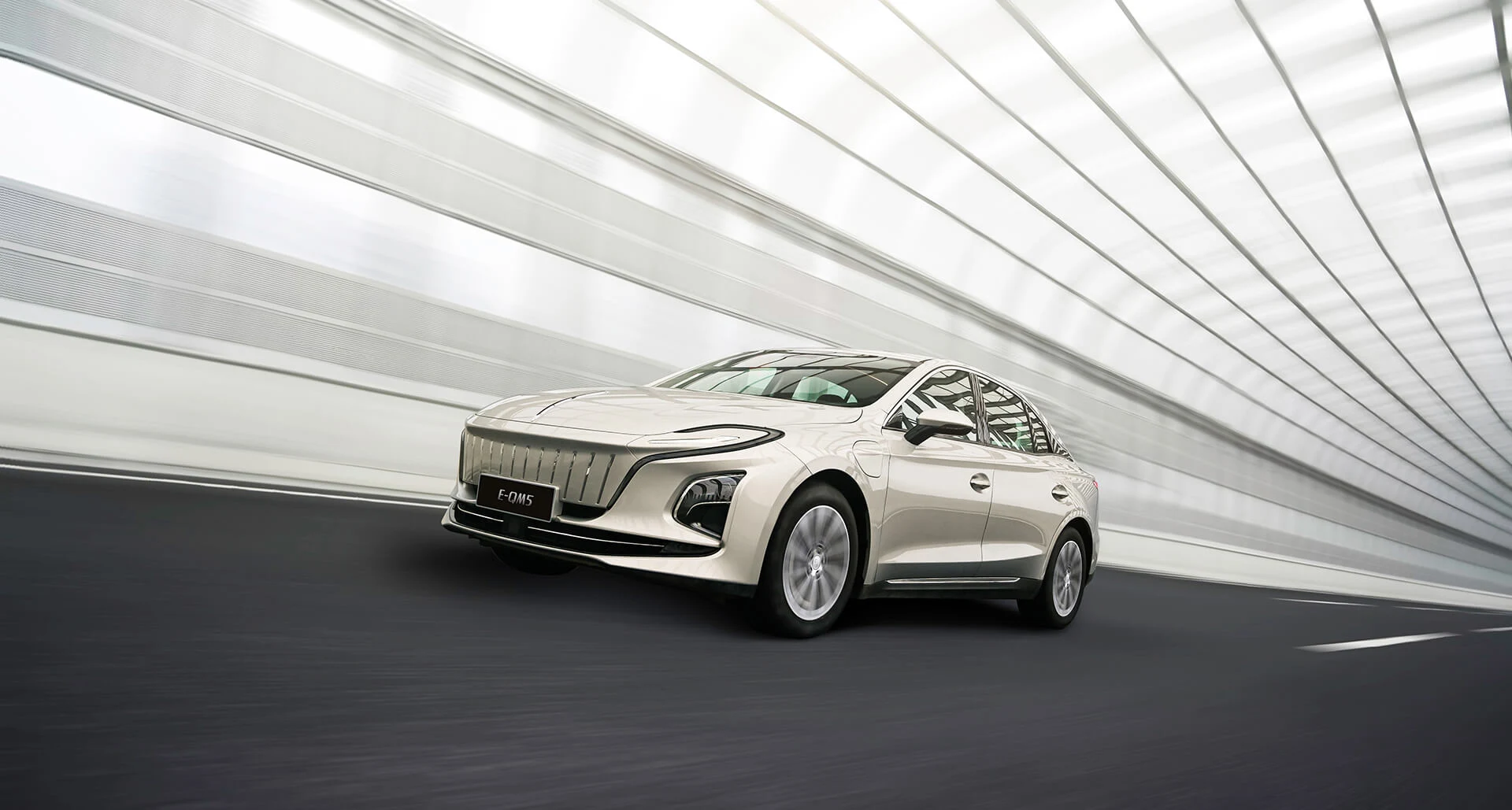
Select the E-QM5 where its demonstrated passenger arrangement, supported condition and complete amount meet the customer better. Select an identified Qin PLUS EV where its actual charging, cabin and support route offers the stronger fit. Seek another candidate where neither can satisfy an essential requirement, including an identified AION S alternative where it offers a supported fit. Keep the same acceptance standard when a vehicle is substituted. The import-versus-local comparison adds a useful alternative when overseas uncertainty weakens both options. The image here represents Hongqi E-QM5 only; it does not establish the Qin candidate, available stock or a specification advantage.
Keep the decision clear.
- EV identity on both offers
- Passenger and luggage trial
- Separate charging evidence
- Equal battery assessment quality
- Same complete purchase boundary
Before you decide.
Can a Qin PLUS DM-i quotation represent Qin PLUS EV?
No. Identify the powertrain and compare the actual offers separately.
Does the longer car automatically win for families?
No. Demonstrate the required passengers, restraints, luggage and parking arrangement.