Choose the exact comparison vehicles
The E-QM5 name covers different year and version descriptions, and AION S offers also need their own identity check. Ask for VIN, production date, original trim wording and registration history on both sides. Do not import specifications from a related AION model or a newer family variant into an older used candidate's description.
Manufacturer model information provides context, while the actual vehicle documents establish the comparison. GAC's official global range is a starting point for brand and market research, not proof of an unidentified AION S listing. For the Hongqi candidate, use the E-QM5 version guide. If you cannot identify both cars to the required standard, postpone a numerical winner-and-loser comparison.
Match cabin and body to customer use
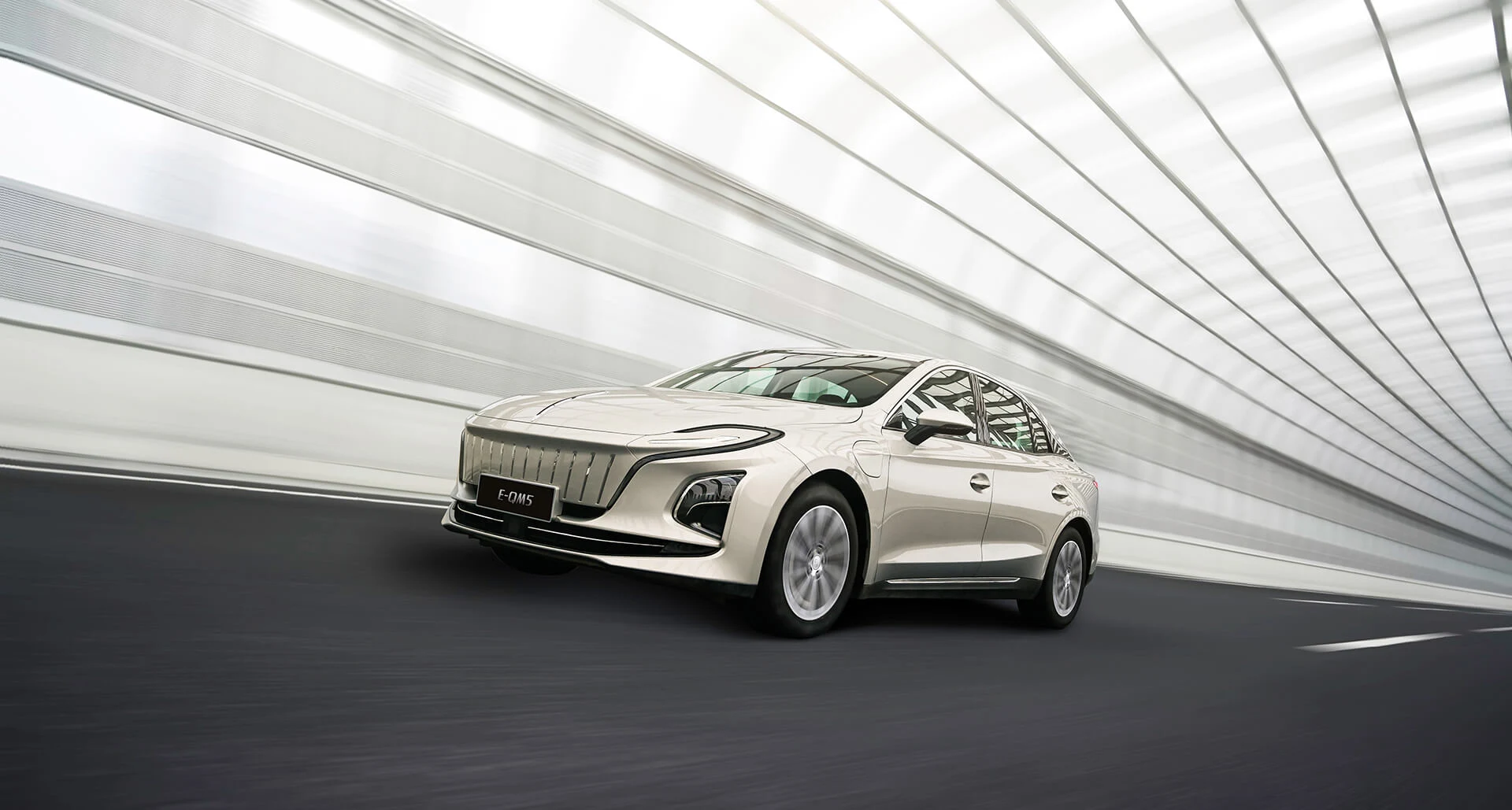
Ask what your buyers need from the car: rear-seat use, access, luggage, parking space or a particular presentation standard. Inspect the actual vehicles and test the relevant cabin functions. Promotional photography can show the design well, but it does not prove seating equipment, upholstery condition or the configuration of the cars offered for sale.
For a fleet order, a practical inspection with representative passenger and luggage needs may be more useful than repeating a generic statement that one car is spacious. Record the observations rather than promising that every customer will prefer the same model. If body dimensions matter for parking or logistics, obtain the correct documented values for each version and apply the same measurement scope.
Compare the charging path early
Establish each car's inlet, supported equipment and proposed destination arrangement. Do not assume that two Chinese-market electric sedans will use the same equipment in the same way. Request a documented demonstration and written compatibility information where additional hardware is proposed. Include the equipment and support costs in the comparison.
The E-QM5 charging guide is especially useful for avoiding assumptions about home charging. Apply equally careful verification to the AION candidate through its applicable documentation and qualified suppliers. A car with a more convenient verified local charging path may be the better commercial fit even where another headline attribute appears stronger.
Evaluate used condition on equal terms
Obtain comparable inspection scope, battery evidence and service history. If one car has a detailed independent report and the other only a seller video, the evidence quality differs. Do not treat the two condition descriptions as equally established. Request the missing checks or explain the uncertainty in the buying comparison.
Follow the battery evidence principles for the Hongqi and obtain appropriate model-specific advice for the AION. Battery ownership, replacement history and observed charging behaviour belong beside the condition report. A former fleet history should be investigated on either car rather than used selectively to dismiss only one model. The same standards make the resulting purchasing decision easier to justify to customers.
Assess support and complete dealer cost
Speak with your destination workshop about diagnostic access, parts identification and support for the exact configurations. Ask suppliers to substantiate availability rather than assuming a model with a familiar name has every component locally stocked. Software and account-dependent functions should be assessed separately from basic driving and cabin operation.
Use the complete cost worksheet to compare the purchase, preparation, charging equipment and logistics on the same basis. Add only supported cost information and keep uncertainties visible. Then consider your actual customer enquiries, resale experience and preparation capacity. This guide does not claim universal superiority, guaranteed residual value or a fixed cost advantage for either vehicle.
Build a clear selection rule
Choose the candidate that best meets your documented customer use and support requirements at an acceptable complete cost. If both qualify, compare evidence quality, condition and the business value of the remaining differences. If neither has a confirmed charging or service path, a lower price does not solve that gap. Investigate the missing requirement before treating either as approved stock.
For enquiries focused on E-QM5, tell the dealer desk if you are also considering a specific AION S offer. Include its identified version and the customer need driving the comparison. The useful discussion is about two substantiated purchase options. It should not become a generic brand contest or a specification table assembled from unrelated years and markets.
For a separate pure-electric shortlist, the Qin PLUS EV comparison keeps BYD EV and DM-i identities apart.