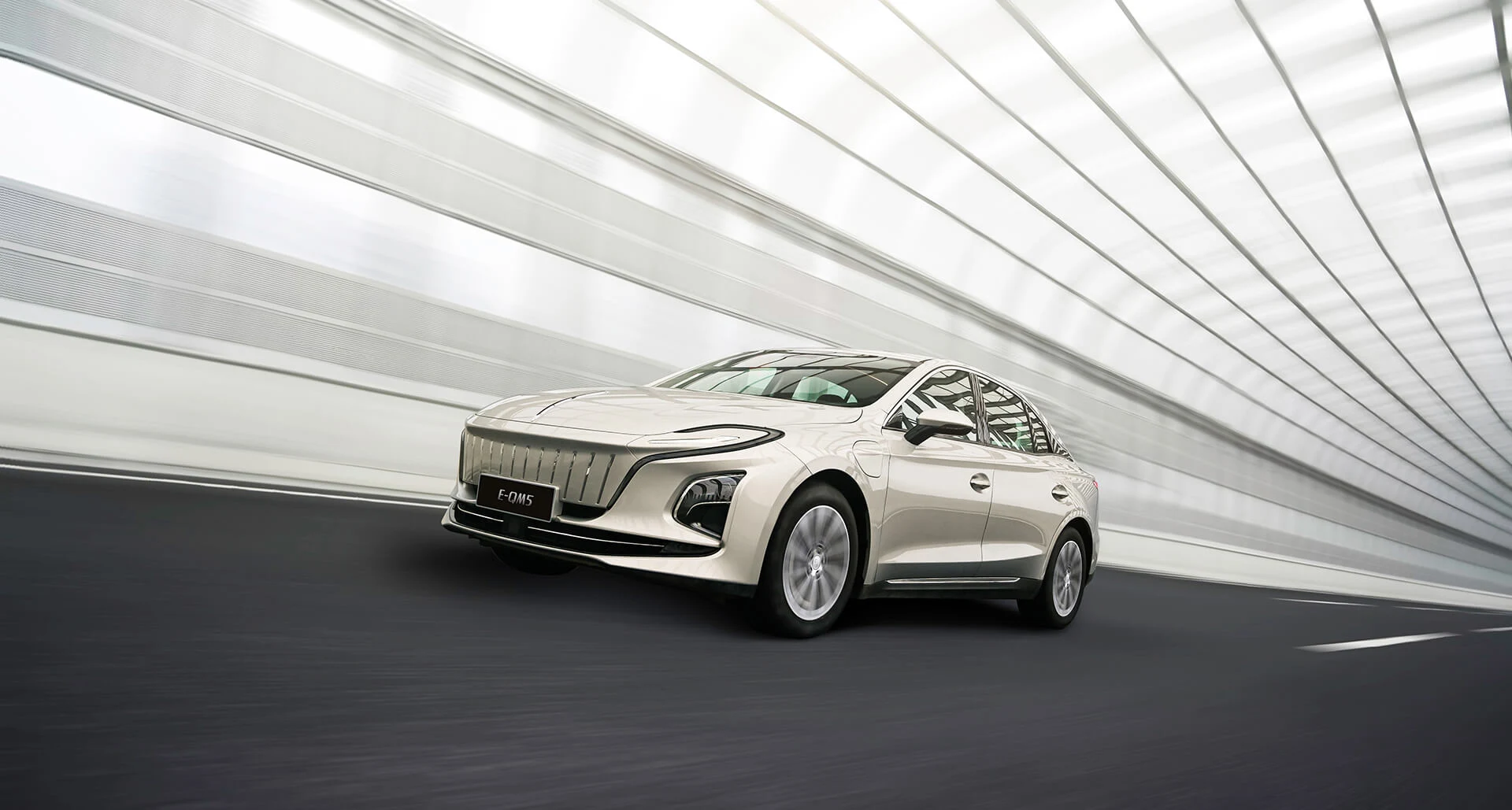
State the passenger requirement before measuring luggage
Write down how many occupants the vehicle must accommodate and verify the actual seating configuration through the relevant vehicle records and physical inspection. Different descriptions of a model should not be assumed to provide the same passenger arrangement. Keep the required seats available during the cargo demonstration rather than create space by removing part of the customer's everyday requirement.
The vehicle specification guide establishes identity and original equipment context. For a fit decision, also record normal seat positions and the way passengers enter the car. A vehicle that carries the bags only under an impractical seating arrangement does not meet the original brief, even if the photographed load looks neat.
List luggage by outside dimensions and quantity
Measure suitcases including wheels, handles and any projections. Specify how many bags of each size travel together. Terms such as large suitcase or carry-on are useful conversational labels, but their dimensions vary enough to make them unreliable as the sole instructions for a remote loading demonstration.
Include items such as a folded pushchair or mobility aid where relevant, using its transport configuration. Add routine equipment that stays in the vehicle. The purpose is to test the full ordinary load, not find space for one carefully selected bag in an otherwise empty boot while leaving the customer's other belongings out of the comparison.
Measure the opening separately from the load area
Ask for measurements that identify their reference points, including usable opening width, opening height and relevant internal restrictions. A boot is not a perfect rectangular box. Trim, hinges and changes in floor shape can affect how a bulky item enters and where it can rest even when a maximum width appears sufficient.
Request photographs showing the measuring position and the path used to load the item. Check whether the intended user can reasonably repeat that movement. A bag that fits only after awkward repositioning may be acceptable for occasional travel but inconvenient for repeated loading, so record the actual procedure rather than reduce the finding to fits or does-not-fit.
Demonstrate the complete load and normal closure
Where practical, ask the provider to use the specified bags or measured equivalents. Show the final arrangement and ordinary boot closure without forcing it. If substitutes are used, record their dimensions and differences. The evidence should demonstrate the proposed arrangement, not imply that every bag marketed under the same size label will behave identically.
Have the provider follow applicable vehicle instructions for placement and restraint. Do not treat a closed lid as proof that the load is suitable for driving or that passenger space remains unaffected. Include any limitations on the arrangement, and keep necessary equipment accessible rather than bury it under a load that must be removed during normal use.
Examine the condition of the loading area
For a used candidate, review the floor, lining, seals and visible areas included in the inspection scope. Request professional assessment of concerning findings instead of drawing a diagnosis from one cropped photograph. The used-car inspection checklist provides the wider vehicle context in which cargo-area observations should be recorded.
Keep evidence of repairs or alterations with the vehicle file where available. A loading demonstration establishes spatial fit under its stated conditions; it does not certify body condition or history. Likewise, a clean inspection image does not demonstrate suitcase capacity. Both questions matter to the buyer, and the documentation should explain which task each photograph supports.
Repeat the test for passenger-service use
For airport or other passenger work, identify the passenger count and normal luggage combinations the operator expects. Test more than a single ideal arrangement where the customer mix varies materially. Record the loading procedure and any combinations that cannot be accommodated, so the dispatch decision can reflect the actual vehicle rather than an assumed capacity.
The fleet shift-planning guide connects passenger service with operational requirements. Loading time and equipment carried permanently in the car belong in that practical discussion. A demonstration suitable for one household trip may not establish the ease of repeated use across a working day with different drivers and passengers.
Keep the accepted arrangement with the final offer
Send Panda the required seating, bag list, dimensions and any essential access needs together with your new or used preference. Ask for the demonstration to identify the actual car. This gives the supplier a repeatable acceptance question and makes it easier to explain why one offered vehicle meets the brief while another remains unverified.
At handover, compare the supplied car and included equipment with the accepted arrangement. Recheck material substitutions rather than reuse photographs from the previous candidate. The useful outcome is a documented configuration the customer can reproduce, with clear limitations, instead of a universal promise that an E-QM5 will carry every family's or passenger group's luggage.