Start with one measurable operating period
Choose a defined period and record distance, charging purchases and the battery’s starting and ending charge levels. A result from a short drive followed by a large charge can be misleading if the battery began nearly empty. Try to compare periods with similar starting and ending energy levels so that the bill and distance describe the same work.
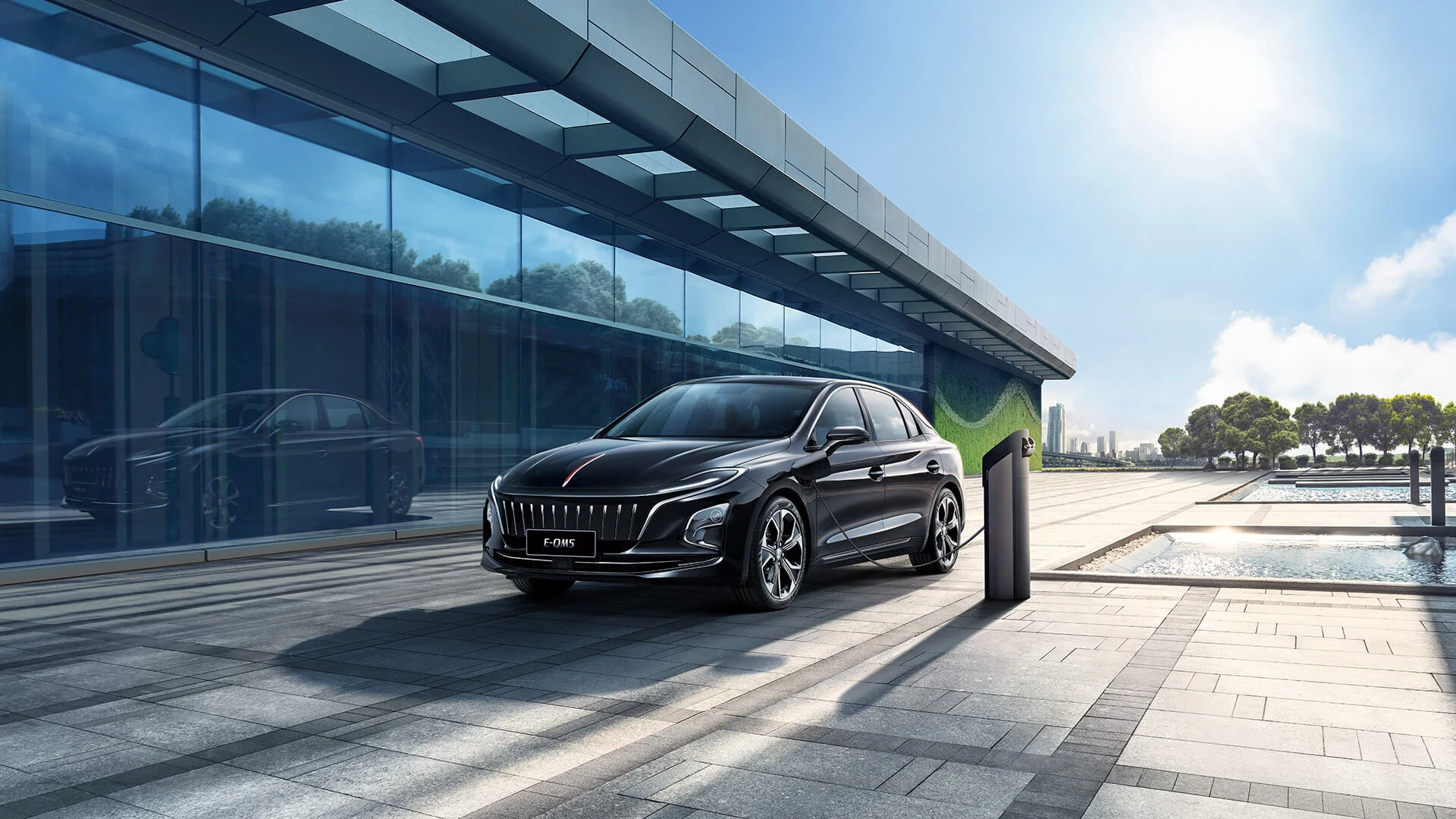
For an E-QM5 dealer demonstration, identify the car and route. A customer asking about running costs needs to know whether the figures came from urban shifts, mixed use or a seller’s selected journey. Keep the original records rather than only a calculated headline.
Convert the bill into a cost per distance
The simple formula is total electricity spending divided by kilometres travelled, multiplied by 100. As a deliberately hypothetical example, 36 currency units spent over 240 km equals 15 units per 100 km. Those figures show the method; they are not an E-QM5 performance test or a current energy tariff.
If comparing different currencies or electricity contracts, keep the underlying quantities visible. A neat single number can conceal a major difference in tariff or session fees. The vehicle price guide addresses acquisition costs, which should remain separate from this operating calculation.
Distinguish billed energy from displayed consumption
A charger or electricity meter records energy at a different point from the vehicle’s displayed driving consumption. Conversion losses, thermal management and the boundaries of the measurement can affect the difference. Do not add an assumed loss percentage to an already measured charging bill; that would count an allowance twice.
When only dashboard data is available, label the result as an estimate based on that display. Ask how the trip counter was reset and whether stationary energy use is included. A buyer should be able to reproduce the calculation rather than being asked to trust an unexplained screenshot.
Build separate home and public charging scenarios
Use the tariff and fees relevant to each intended charging arrangement. A home estimate may include a particular time-of-use rate, while a public station may charge by energy, time or a combination. Identify what the quoted tariff covers. Equipment purchase and installation are separate costs that need their own allocation if comparing complete ownership budgets.
First establish whether the chosen E-QM5 can use the proposed equipment. The AC and DC charging guide explains why the hardware question cannot be skipped. An inexpensive electricity rate is not useful if the vehicle cannot practically access it.
Allow for the customer’s route and climate
Avoid taking a favourable demonstration and applying it unchanged to every customer. Heating, cooling, traffic pattern, speed, payload and route length influence the operating context. Ask for observations close to the intended use, and show a reasonable range of planning scenarios rather than a guaranteed bill.
Cold-weather planning deserves a separate line in the discussion. The winter range guide focuses on route reserve and charging availability. It does not assign one percentage penalty to all E-QM5 versions. Keep the inputs the dealer actually knows distinct from the assumptions still being tested.
Use fleet averages without hiding individual problems
For a small fleet, calculate both a total cost per kilometre and a per-vehicle result. The fleet total is useful commercially, but a vehicle with an unusual result can disappear inside the average. Record charger, shift and driver context before deciding whether that difference suggests a vehicle fault. An inconsistent route or tariff can explain much of the variation.
Where a result remains unexplained, request inspection and diagnostic follow-up. Do not turn high electricity spending into a battery replacement diagnosis. Establish whether the difference lies in consumption, charging losses, fees, idle time or the accuracy of the records.
Make the estimate useful for a buying decision
A practical enquiry includes expected monthly distance, typical daily pattern, destination tariffs and the available charging arrangement. Request the relevant version’s specification and any vehicle-specific operating evidence. For a used car, include current battery and charging checks; for a new car, confirm configuration and equipment before projecting cost.
Present the result as a worksheet with changeable inputs. A dealer can then show how a higher public tariff or longer winter route affects the estimate without changing the vehicle’s claimed specification. This is more useful than quoting a universal running cost that the next customer cannot reproduce.