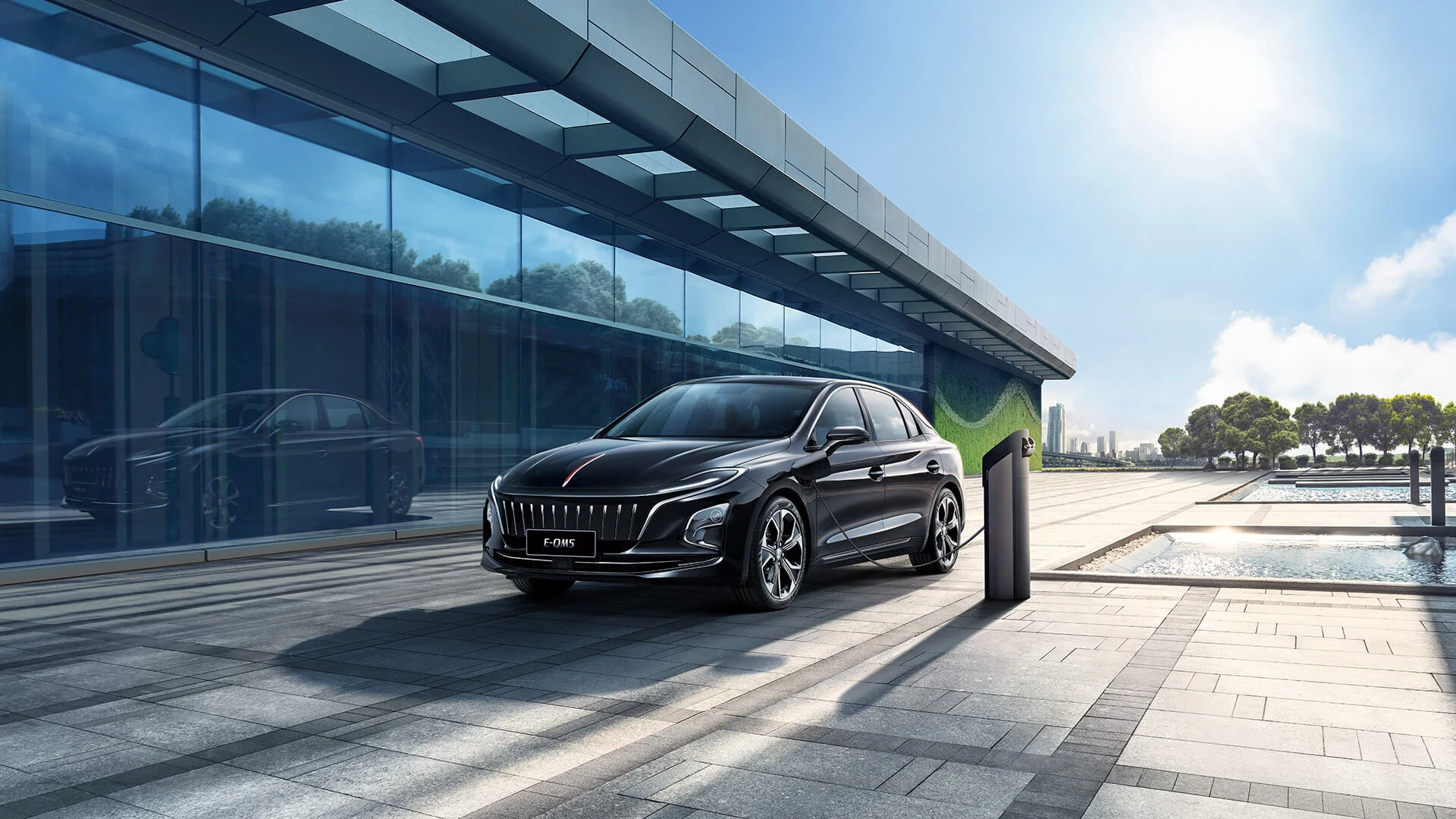
Why a brochure range does not answer the winter question
An advertised range is tied to a stated test basis and specification. It does not describe your customer’s winter traffic, heating use, tyres, parking conditions or current used-battery condition. Keep the original rating as a reference field, then assess the route separately. A range number in a trim name should not become a promised trip distance.
General energy guidance from the US Department of Energy explains that cold weather and heating demand affect electric-vehicle efficiency. That supports planning conservatively, but it does not provide an E-QM5-specific reduction percentage. Avoid importing percentages from tests of another vehicle and presenting them as model data.
Define the demanding day, not the average day
Ask the buyer to describe the longest regular winter journey, overnight parking and opportunities to charge. A comfortable weekly average can conceal a single day with little margin. Include detours and the possibility that the preferred charger is unavailable. Record whether the vehicle returns to the same base or travels between different locations.
The working-range guide explains route reserve more broadly. For winter selection, identify the point at which the customer would need an alternative charging stop. The buying decision should recognise that limit before a batch is ordered for the intended operation.
Review heating and visibility functions on the actual car
Request demonstrations of the fitted cabin heating, demisting and relevant comfort controls. Ask a qualified inspector to investigate weak performance or warnings rather than relying on a warm-weather cabin photograph. Equipment descriptions should match the version; do not assume a particular thermal system or optional heated feature from a different market’s brochure.
For used candidates, document the conditions under which checks were performed. A workshop demonstration in mild weather cannot prove performance during a freezing commute. It can still reveal missing functions or faults that should be addressed before more demanding evaluation.
Put battery condition alongside temperature context
A battery report should identify the vehicle, method, date and limitations. It should not be reduced to a single dashboard estimate taken on a cold morning. Compare available evidence with the original specification and ask what further assessment is justified when results are unclear. The SOH report guide explains why displayed charge and health are different measurements.
Cold conditions can complicate comparisons between observations. Record the context rather than interpreting every change as permanent capacity loss. Qualified diagnostic assessment is needed to distinguish a temporary operating effect from a fault or deterioration in the specific battery.
Check charging access under the intended conditions
A charger that suits a summer demonstration may still leave questions about winter access, operating conditions and practical session duration. Ask whether the intended equipment is suitable for the environment and obtain a charging demonstration where feasible. Treat unusually slow charging as an observation to explain, not automatic proof that the candidate is defective.
The charging-time guide covers energy windows and average power. Include the time spent reaching and using a charger in the winter schedule. If charging depends on a single location, consider what the operator will do when it is occupied or unavailable.
Compare candidates through the same route assumptions
When comparing two versions, hold the route, cabin comfort requirement and reserve policy constant. A larger stated battery may provide useful headroom, but its actual condition and charging arrangement still matter. Do not compare one car’s official rating with another car’s adverse-weather anecdote and call the result an objective ranking.
A dealer can request alternative candidates with a clear explanation of why each may suit the route. Show which inputs are documented and which remain planning assumptions. This makes any premium for extra headroom understandable without promising a fixed winter distance.
Prepare a cold-weather sourcing brief
Include accepted years, new or used preference, expected winter temperatures, regular distance and overnight parking arrangement. State essential heating functions and where charging will occur. Ask for battery and charging evidence tied to each proposed car, plus clarification of the destination service arrangement if specialist work becomes necessary.
Before acceptance, review the demanding-day scenario again using the information actually supplied. If the required margin cannot be established, broaden the candidate search or change the operating plan. A qualified answer may be that more evidence is needed; a confident but unsupported winter-range promise does not solve the customer’s problem.