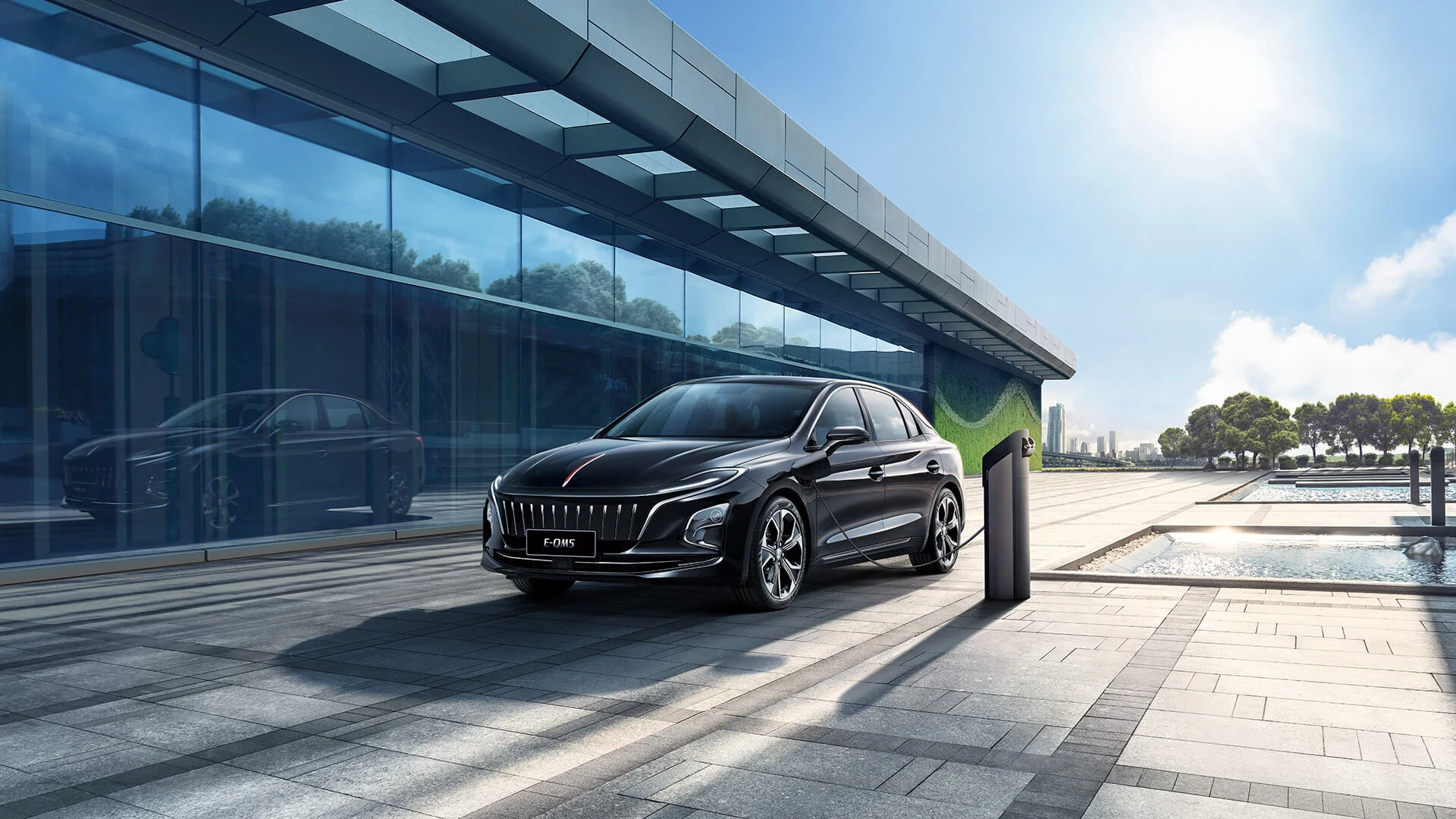
Start with the actual car, not a wallbox advertisement
Ask for the VIN, production details, inlet photographs and applicable vehicle instructions. Keep these with the original version description. Hongqi publishes model information and manual references on its official E-QM5 page, but that page should not be treated as a universal specification for every used Chinese-market car or later production version.
The charging compatibility guide covers the wider import question. For home use, the immediate requirement is narrower: obtain confirmation of the complete equipment path from the property's supply to the particular vehicle. A photograph of a connector or a seller's statement that the car supports charging leaves that practical question unanswered.
Distinguish a connector from charging equipment
Ask the provider to name each supplied item and explain its function. A passive connector adapter changes a physical connection; it should not be assumed to provide active power conversion or solve communication requirements. Equipment marketed as portable also needs identified input requirements and a confirmed vehicle application before it belongs in a purchase plan.
Record the manufacturer, model, documentation and supplier responsible for confirming compatibility. Keep equipment costs separate from the vehicle price. If a proposed arrangement depends on an additional device, its availability, suitability and support are part of the decision. Do not accept an unspecified adapter to be sourced later as a completed charging solution.
| Question | Evidence to retain |
|---|---|
| Does the car support the proposed arrangement? | Identified vehicle instructions and equipment compatibility confirmation |
| Can the equipment be installed at this address? | Assessment by the responsible local installation provider |
| Does the available window meet normal use? | Journey assumptions and a relevant session record |
| What does the quote include? | Equipment list, installation scope and support responsibility |
Assess the parking location and supply professionally
Provide the installer with the location, parking arrangement and proposed equipment documentation. Establish whether the space is private or shared and who can authorise installation. The qualified local provider should determine the relevant supply, installation and protection requirements under applicable instructions and rules; a remote vehicle seller cannot settle those site-specific questions from the car's model name.
Include the practical route between equipment and parking position. Access restrictions, shared spaces and the ability to use the same bay overnight can affect suitability even when the electrical proposal is acceptable. Obtain an assessment for the intended location rather than a general assurance that similar equipment is used elsewhere in the country.
Match the charging window to ordinary journeys
Write down expected daily distance, days without overnight access and the time normally available between arrival and departure. Start with energy needed for those journeys instead of assuming the car must charge from empty to full each night. Preserve the vehicle version and operating assumptions used to estimate consumption and the reserve needed for the next trip.
The charging-time worksheet separates average delivered power from a momentary peak. Illustrative arithmetic is useful for planning, but a calculated window is not a measured result for the proposed home setup. Ask whether the complete arrangement can replenish the required energy during normal access hours, including any operating restrictions confirmed by the provider.
Request evidence for the proposed arrangement
A useful demonstration identifies the car, equipment, date, starting and ending charge levels, elapsed time and interruptions. If the demonstration occurs elsewhere, record how that location differs from the intended home installation. Vehicle compatibility evidence and a local installation assessment support each other; neither should silently replace the other in the acceptance record.
Do not ask for an improvised connection merely to obtain a video. Testing belongs with suitable equipment and competent providers following the applicable instructions. If the intended arrangement cannot be demonstrated, keep that limitation explicit and agree what further evidence is needed before describing the offer to a customer as suitable for home charging.
Compare the complete cost and fallback plan
Budget the confirmed equipment, professional installation, any agreed site work and energy charges separately. Use the electricity cost guide for the operating calculation, keeping one-time expenditure outside the energy-only figure. A low electricity tariff does not make an unsuitable installation practical, and a low car price does not include unquoted equipment by implication.
Consider what the customer will do when the normal parking space or equipment is unavailable. Verify any public alternative with the operator and actual vehicle configuration. A fallback should be a usable option within the customer's travel routine, rather than a charger icon on a map that has not been checked for access or compatibility.
Put the confirmed setup into the buying brief
Send Panda the destination, intended parking arrangement, normal journey and whether home charging is essential. State the new or used vehicle preference and accepted versions. Ask the sourcing team to retain charging requirements when proposing alternatives, rather than substitute a car whose equipment has not been assessed against the original brief.
Before handover, reconcile the selected VIN, included equipment and completed checks. Retain the relevant operating documents and support contacts with the vehicle file. The receiving customer should know what was verified, where the installation assessment applies and which unresolved items require attention before use, without relying on a broad home-charge-ready label.