Specify the exact hybrid alternative
Retain the Corolla’s production period, original market, engine and hybrid description. A Corolla family page can include petrol and hybrid entries; the familiar name alone does not identify the offered vehicle. Toyota’s regional information remains within its stated market and year. Match the candidate to its applicable documentation, and keep it separate from plug-in hybrid alternatives. For the E-QM5, use the year and version record. An old used Corolla quotation and a current brochure’s equipment cannot be combined into a single imagined purchase. Both amounts must refer to cars the buyer can actually assess.
Compare a week of energy access
Map ordinary workdays, longer trips and the time available to replenish energy. The E-QM5 requires a supported charging arrangement; the conventional non-plug-in hybrid alternative should be assessed on its actual petrol and hybrid operating route. Keep that distinction clear rather than borrowing plug-in benefits from another vehicle. Assess the Hongqi with its journey and working-reserve plan before accepting a daily-use assumption. The public-only charging decision helps identify when an EV stop disrupts the customer’s routine. A buyer with dependable parking and charging faces a different comparison. Do not infer inconvenience solely from propulsion or assume that every destination has equally practical energy access.
| Finding | Buying response |
|---|---|
| Reliable charging and useful EV fit | Compare E-QM5 complete value |
| Charging interrupts essential use | Evaluate the verified hybrid route |
| Result relies on optimistic assumptions | Recalculate before accepting |
Trial the passenger task before comparing costs
Try the real driver, regular occupants, restraints and luggage in both cars. Record the equipment and cabin functions needed for acceptance. Body length and advertised boot litres are reference information, not a completed family trial. Use the E-QM5 family restraint review for its relevant assessment and the appropriate Corolla instructions separately. A smaller car may meet a customer’s task with a useful parking benefit, while another customer may value the demonstrated E-QM5 arrangement. The required task must be established before a cost difference can meaningfully represent better value.
Commission the appropriate system reviews
The Corolla needs qualified assessment of its actual hybrid, engine, transmission and physical condition, with the applicable history. The E-QM5 requires its relevant battery, charging and vehicle review. Do not treat the same dashboard observation or diagnostic screenshot as proof for both systems. The EV condition checklist covers Hongqi’s side only. Ask each provider which findings remain outside their work and what supported preparation is necessary. For new stock, use the relevant delivery and registration evidence; for used stock, add individual service and repair records rather than trusting a general reputation for the model.
Use costs with consistent measurement boundaries
Apply actual tariffs and a supported operating estimate to each candidate. For E-QM5, distinguish energy bought at the charger from an in-car consumption display where the provider’s data allows it. For Corolla, use the relevant fuel input without assuming every driver reproduces a catalogue figure. The charging-cost worksheet gives the Hongqi calculation structure. Include installation or access fees, time costs where relevant and routine maintenance supported by providers. Keep distance and currency consistent. A lower energy line cannot establish cheaper ownership while purchase, preparation and support costs remain outside the comparison.
Test the premium under changed use
Recalculate with reduced annual distance, less convenient charging or a different mix of trips. State the assumptions rather than predicting which prices will change. The three-year worksheet keeps acquisition and operating inputs together. If the E-QM5 advantage depends on an optimistic exit value or unusually cheap access, show that sensitivity. If the Corolla premium mainly buys verified daily availability needed for work, identify that benefit. Do not promise a fixed payback period from a universal mileage slogan or describe future resale proceeds as certain before the receiving market has provided credible evidence.
Choose the supported routine, not a fuel label
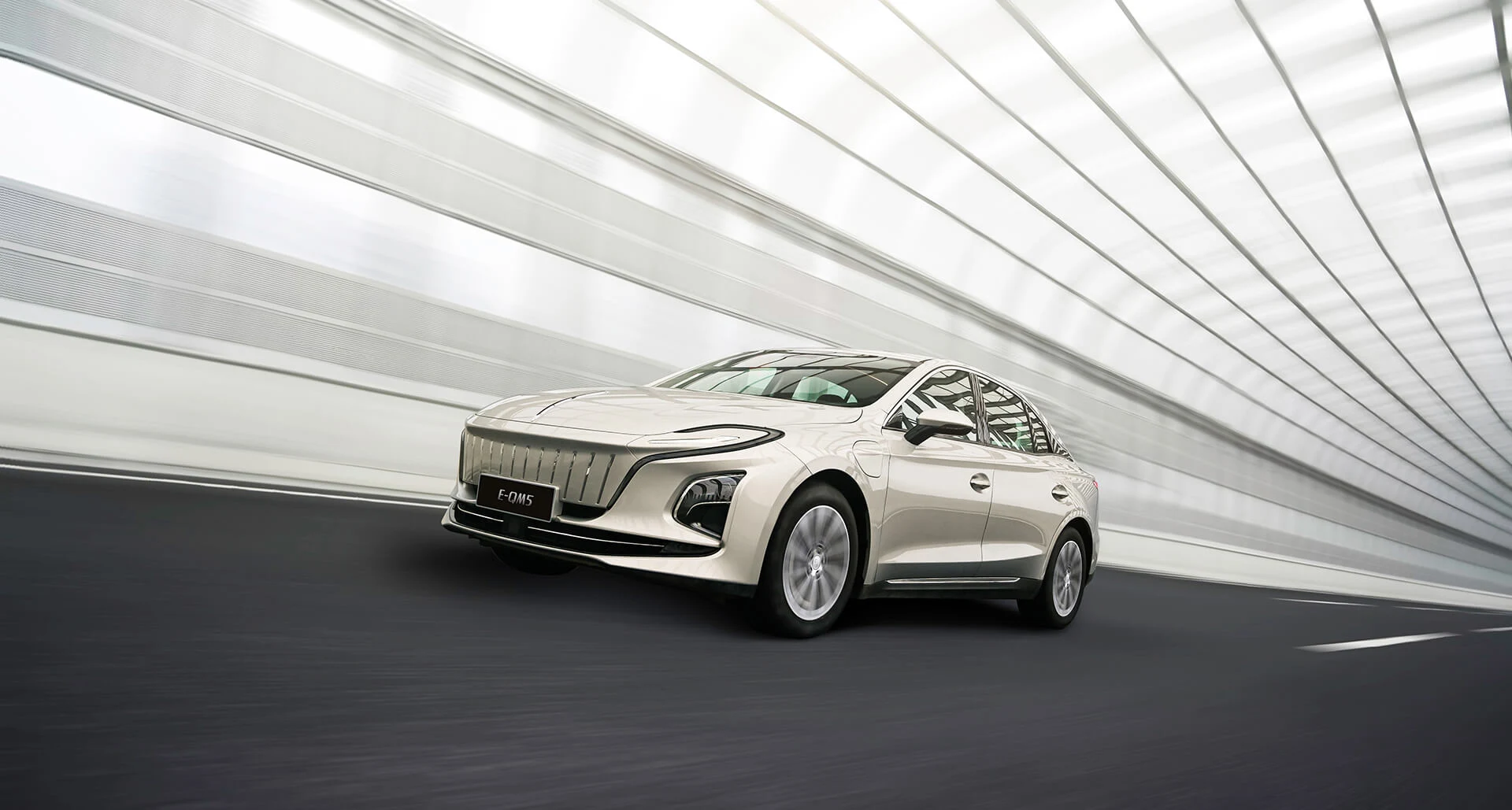
Select E-QM5 where its passenger fit, current evidence and charging plan support the ordinary task at an acceptable complete cost. Select the actual Corolla Hybrid where its established ownership route better answers the customer’s constraints. Resolve important gaps or obtain another candidate if neither qualifies. Preserve the accepted equipment and condition file at delivery, and repeat the review after substitution. Hongqi reference photography cannot demonstrate the Corolla, an available unit or a comparative safety advantage. The dealer’s useful conclusion is a documented choice between two supported cars, with the assumptions another buyer can understand.
Keep the decision clear.
- Conventional hybrid identity established
- One normal weekly routine
- Matched passenger trial
- Relevant condition assessments
- Same horizon and changed-use cases
Before you decide.
Is Corolla Hybrid the same as a plug-in hybrid alternative?
Keep the actual powertrain distinct; this comparison concerns an identified conventional hybrid.
Can electricity savings determine the choice alone?
No. Include charging access, acquisition, preparation, support and the actual use requirement.