Understand what the numbers describe
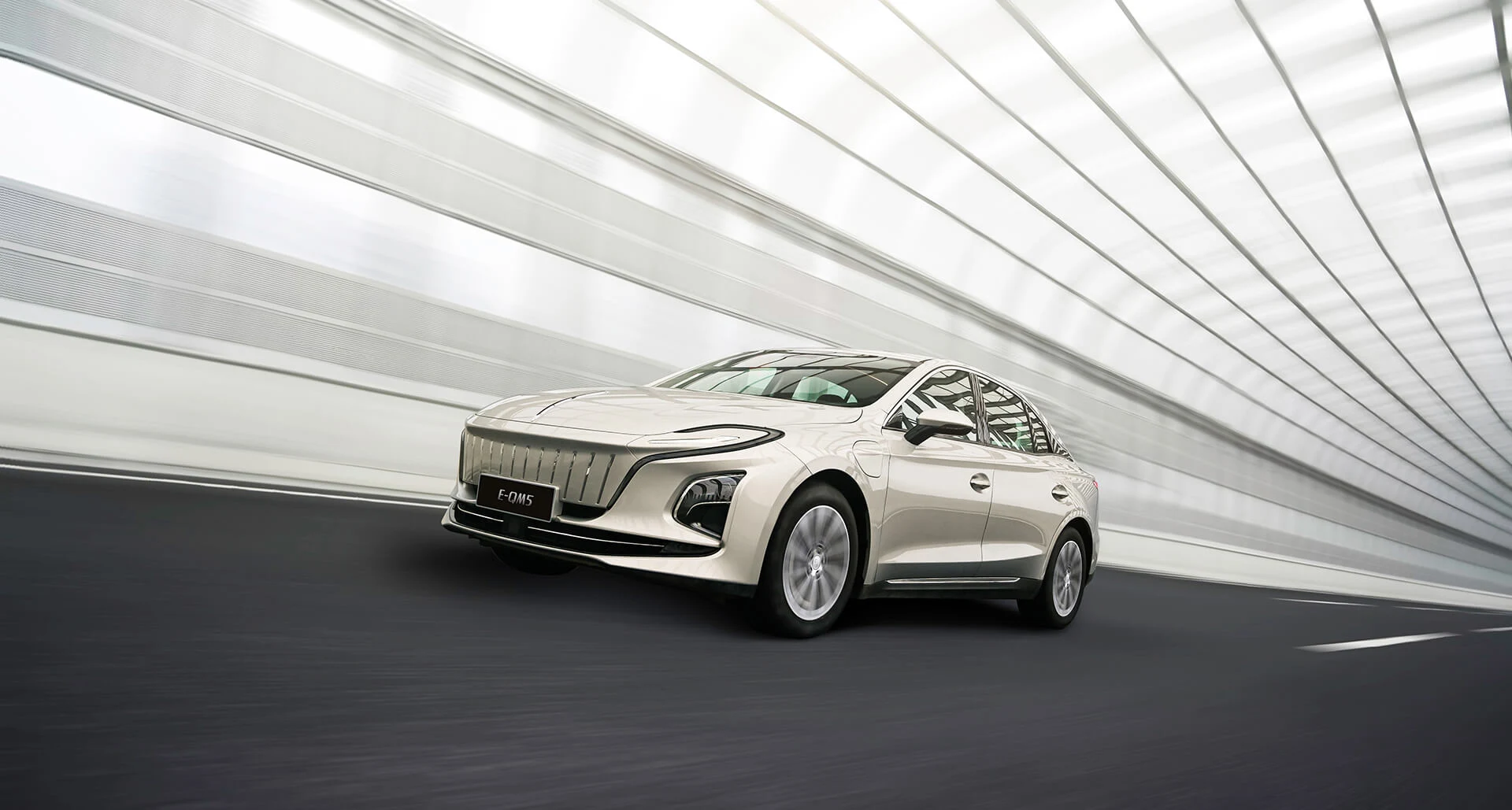
The 500 and 610 labels refer to stated driving-range categories in relevant version descriptions. They are not promises of distance available from a used car under every driving condition. A regional Hongqi version sheet identifies a 500KM Travel and a 610KM PLUS, which is useful for understanding those names. It cannot establish the configuration or condition of every vehicle offered under them.
Check the original Chinese version wording, production date and documented test cycle before comparing. Sellers may shorten names or mix model years in a single batch advertisement. An apparent price gap can therefore include equipment, powertrain or ownership differences as well as the range category. Begin with the version identity process so that the comparison is between identified vehicles.
Match the car to the daily route
Ask your end buyers how far they normally travel between reliable charging opportunities. Include the longest regular day, passenger load, climate use and whether they can charge while the vehicle is parked. A car that comfortably supports the routine with a reserve may be a better business fit than one chosen for an occasional journey that almost never occurs.
For a dealer supplying several customer types, keep separate scenarios. A private buyer with dependable overnight charging, a daytime passenger service and a high-distance operator may value the extra headroom differently. Do not apply one answer across the entire customer base. A practical range worksheet can show the assumptions openly and help your customer understand how daily use changes the result.
| Decision | 500-labelled candidate | 610-labelled candidate |
|---|---|---|
| Version | Verify original name, year and market | Verify original name, year and market |
| Working range | Test fit to route and reserve | Test value of additional headroom |
| Battery | Obtain current evidence | Obtain current evidence |
| Charging | Verify equipment and destination fit | Verify equipment and destination fit |
| Price | Complete cost and preparation | Complete cost and justified premium |
Compare present condition before capacity
Obtain comparable battery evidence for both candidates. A newer report with clear test conditions is more useful than an unexplained percentage on a sales screenshot. Compare faults, temperature behaviour, charge acceptance and documented replacement history. Where a meaningful usable-energy test is available, record its method and whether it was performed under similar conditions for both cars.
The larger original battery category does not make pack damage, unclear ownership or missing repair records irrelevant. Equally, a smaller-range car should not be dismissed merely because the brochure number is lower. Follow the battery-health guide and decide which findings require further testing. If evidence quality is unequal, price the uncertainty or postpone the comparison rather than presenting uncertain figures as measured facts.
Check the charging opportunity
Additional driving headroom is useful only as part of an operating plan. The buyer still needs a compatible charger, a practical location and enough time to replenish energy. Ask whether the proposed car and charging equipment have been demonstrated together. Identify any conversion equipment, power constraints or location restrictions before using the charging plan in a sales pitch.
Do not assume that a higher range label guarantees a higher charging rate, a shorter stop or conventional home AC charging. Verify those capabilities independently. A dealer may find that charger availability and support decide the purchase before battery size does. Include the cost of the confirmed equipment and any installation advice from the destination specialist when comparing the two offers.
Calculate the premium in business terms
Compare the total cost to prepare each car for resale: vehicle price, inspection, documented repairs, charger equipment, logistics and your expected preparation costs. Keep currency, destination and delivery basis consistent. Then consider whether your target customers will pay enough for the larger-range version to justify the additional capital tied up in stock.
This is not a guaranteed resale calculation. Use your own completed sales and customer enquiries where available, and keep assumptions visible where they are not. If the expensive car also has substantially lower mileage or better documented condition, do not attribute its entire premium to the range label. The dealer pricing guide provides a structure for separating those effects before negotiating.
Keep range headroom separate from the useful cabin-equipment premium so the same benefit is not priced twice.
Make a conditional choice
The 500-labelled candidate may suit buyers whose predictable routes and confirmed charging access leave an adequate reserve, especially if its condition and purchase terms are stronger. The 610-labelled candidate may suit customers who value greater distance between stops, provided the actual configuration, battery condition and incremental cost justify that choice. Neither recommendation should be made from a badge alone.
For a first wholesale order, consider asking for comparable offers from both categories. Use the same inspection request and disclose your destination and intended customer use. If the resulting evidence points to one category, you can concentrate later orders there. Send the criteria through the wholesale sourcing process and keep both the preferred version and an acceptable alternative in the buying brief.